Inviting Controversy into Canadian Classrooms: Socioscientific Issues and Navigating Misinformation
DOI:
https://doi.org/10.37119/ojs2026.v31i3.970Abstract
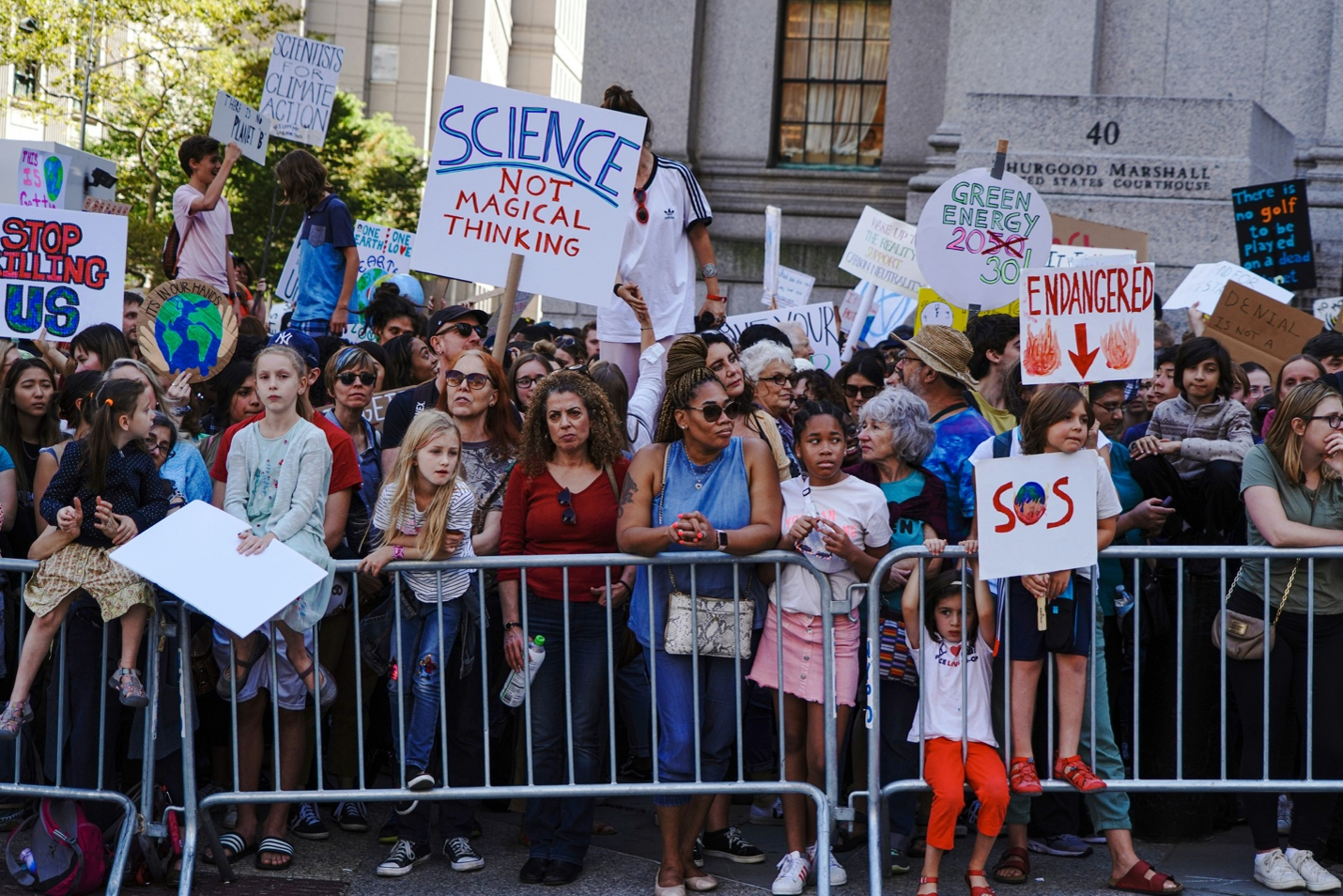
In an era of widespread misinformation and divisive public discourse, navigating socioscientific issues (SSI) such as climate change and vaccinations has become increasingly complex. This paper explores the crucial role that science education plays in preparing individuals to engage with SSI. It addresses two questions: How might teachers prepare students to analyze SSI and become effective information consumers and decision-makers, and how might teachers be prepared to meet the challenges of implementing controversial SSI? Drawing on the author’s experiences teaching and offering professional development to teachers, as well as what was learned from conducting a scoping review on misinformation (Brown, 2026), this reflective commentary argues that science education must expand efforts to invite nuanced and controversial SSI into classrooms to better prepare Canadians to engage with one another and with these key issues. Student preparation could include increased emphasis on SSI, a focus on developing information/digital/media literacy, fostering intellectual virtues, and connecting SSI with the Nature of Science (NoS). Teachers’ efforts to integrate SSI could be bolstered through curriculum and assessment modifications, professional development, resource creation and sharing, and enhanced support from administrators. This paper calls on teachers, teacher educators, school administrators, and science education researchers to advance this critical work.
Keywords: socioscientific issues, science education, misinformation, scientific literacy, nature of science
Published
Issue
Section
License
Copyright (c) 2026 Carol Brown

This work is licensed under a Creative Commons Attribution-NonCommercial-NoDerivatives 3.0 Unported License.
Authors who publish with this journal agree to the following terms:- Authors retain copyright and grant the journal right of first publication with the work simultaneously licensed under a Creative Commons Attribution License that allows others to share the work with an acknowledgement of the work's authorship and initial publication in this journal.
- Authors are able to enter into separate, additional contractual arrangements for the non-exclusive distribution of the journal's published version of the work (e.g., post it to an institutional repository or publish it in a book), with an acknowledgement of its initial publication in this journal.
- Authors are permitted and encouraged to post their work online (e.g., in institutional repositories or on their website) prior to and during the submission process, as it can lead to productive exchanges, as well as earlier and greater citation of published work (See The Effect of Open Access).